Contact us
Send Us Your Case Details
We’ll respond and let you know the best way to proceed with your case.


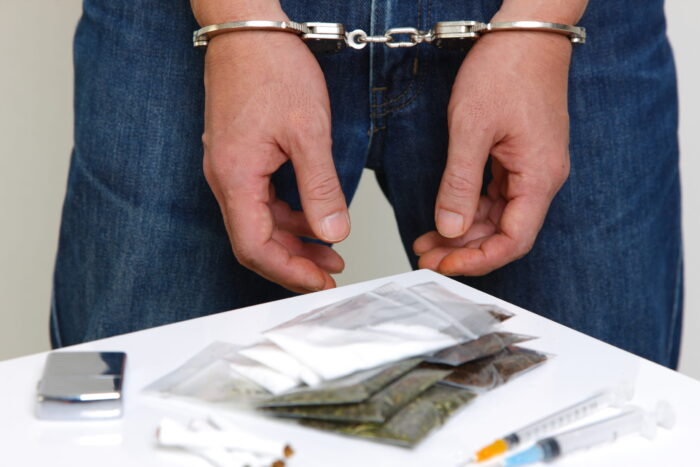
When drugs are discovered in a hotel room, the legal situation can quickly become complicated and frightening for anyone caught in the middle. Whether you are a guest, a visitor, or simply someone staying nearby, you could face serious drug charges even without direct evidence tying you to the illegal substances. Questions about who actually gets charged and what proof is needed arise immediately, creating a maze of legal challenges that demand experienced guidance.
Attorney Garrett T. Ogata has extensive experience in defending individuals facing drug charges arising from drugs found in hotel rooms, particularly when there is no concrete proof of possession or ownership. The Law Offices of Garrett T. Ogata rigorously challenges the prosecution’s evidence, advocates for our clients’ rights, and strives to uncover the facts that matter most. With a dedication to personalized, knowledgeable defense, drug crime attorneys work tirelessly to prevent wrongful convictions and ensure that every client has a strong voice in their case, regardless of how tangled the circumstances might seem. If you find yourself facing drug charges in these complex scenarios, we offer experienced, compassionate legal support tailored to your unique situation.
Under Nevada law, possession of a controlled substance is defined broadly as having control or custody of illegal drugs, whether on your person or in a place you control. It is not limited to physically holding the drugs but also includes the ability to exercise control over them knowingly. Nevada recognizes three types of possession: actual, constructive, and joint possession.
In the context of drugs found in a hotel room, these distinctions are critical because prosecutors can charge anyone with possession if they have control over the room or joint control over the drugs found there, even without direct evidence that the person physically held the drugs. This means that possession laws cover more than just physically holding the substances; they focus on control, access, and knowledge.
These laws emphasize that possession is fundamentally about control and knowledge, not just physical holding. This means someone can be charged based on their relationship to the drugs and the space they control, making drug possession cases in shared or rented spaces especially complex under Nevada law.
When police come to your door after drugs are found in a hotel room, it’s crucial to understand your rights and the best way to respond to protect yourself. Police generally must have a warrant or your consent to enter and search the room legally. Answering the door calmly and politely is important, but anything you say can potentially be used against you. Avoid admitting to knowledge or ownership of the drugs, and do not consent to a search without speaking to an attorney. Silence or politely declining to answer detailed questions beyond basic identification is often the safest approach until you have legal representation.
Here are some key things to keep in mind when interacting with police in these situations:
Being mindful of your behavior and carefully choosing your words can make a significant difference in how your case unfolds. Remember that you have the right to remain silent and the right to legal counsel, so exercise those rights until you can lawfully contact an experienced attorney for advice and representation to protect your interests.
When drug charges arise from substances found in a shared space like a hotel room, the prosecution must prove you knowingly possessed or controlled the drugs. Establishing that you lacked both actual and constructive possession is a critical component of an effective defense. Defense counsel will meticulously scrutinize the evidence, challenge any gaps or inconsistencies, and emphasize that mere presence in a location where drugs are found is insufficient for conviction.
A skilled defense team employs various strategies to dismantle the prosecution’s case, including:
Building a vigorous defense requires precision and a thorough understanding of Nevada’s drug possession laws. Criminal defense lawyers focus on neutralizing the prosecution’s proof of control and knowledge, asserting every relevant right, and preparing to contest charges at each legal phase, ensuring constitutional safeguards are honored and preventing improper convictions.
Finding yourself facing drug or DUI charges because of something discovered in a hotel room can feel surreal, like you’re caught in a story you never expected to be part of. When drugs turn up in a shared or rented space, the law doesn’t just look at who physically held the substances; it looks at who had control or access. In these situations, having an experienced Las Vegas drug defense attorney is critical to ensure your rights are protected and your case is handled strategically.
Contact The Law Offices of Garrett T. Ogata to speak with an attorney who understands the unconventional nature of these cases and fights with the dedication and determination necessary to protect your rights. Whether it’s drug possession or a DUI, our attorneys are ready to analyze every angle, challenge the evidence, and push back. Reach out today because when the law comes knocking during uncertain circumstances, you need a defense that makes sense of it all.