Contact us
Send Us Your Case Details
We’ll respond and let you know the best way to proceed with your case.

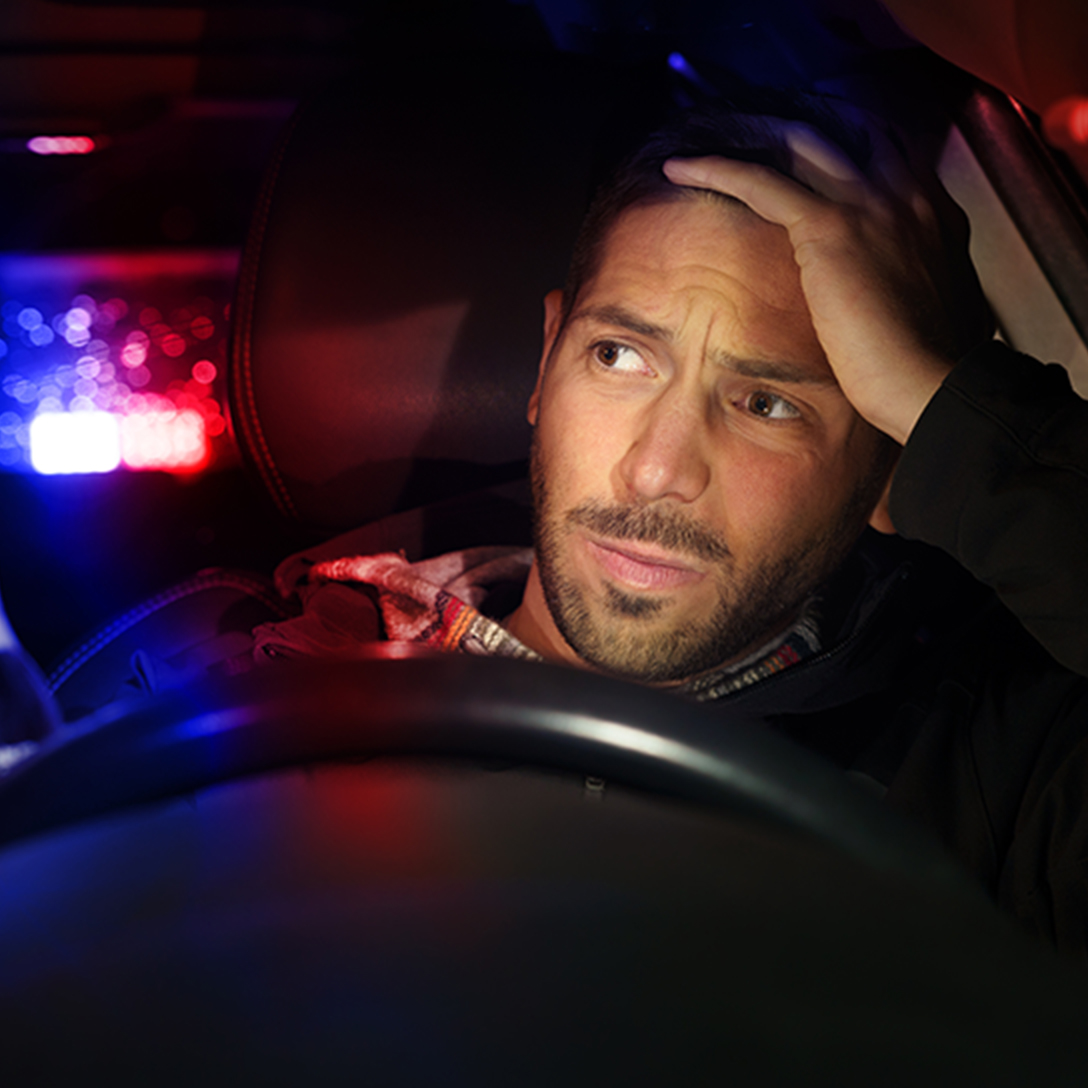
If you drive in Las Vegas, especially around holidays and major events, there is a good chance you will eventually encounter a DUI checkpoint. These stops can feel intimidating and confusing, and many drivers are not sure what their rights are or whether the checkpoint is even legal. This post explains what DUI checkpoints are, whether they are permitted in Nevada, what to expect if you are stopped, and what to do if a checkpoint leads to an arrest.
A DUI checkpoint, sometimes called a sobriety checkpoint, is a designated location where law enforcement briefly stops vehicles to check for signs of impaired driving. Rather than pulling over one driver based on suspicion, officers stop cars according to a predetermined pattern, such as every vehicle or every third vehicle.
The stated purpose is to deter impaired driving and remove intoxicated drivers from the road. According to the NHTSA sobriety checkpoints overview, checkpoints are used across the country as a visible enforcement tool. During a stop, an officer typically speaks briefly with the driver and looks for indicators of alcohol or drug impairment before deciding whether further investigation is warranted.
Yes, DUI checkpoints are legal in Nevada, but they are not unlimited. The U.S. Supreme Court addressed their constitutionality in Michigan Department of State Police v. Sitz, holding that properly conducted sobriety checkpoints do not violate the Fourth Amendment’s protection against unreasonable searches and seizures. The Court reasoned that the state’s interest in preventing drunk driving outweighed the modest intrusion of a brief, neutral stop.
That said, legality depends on how a checkpoint is set up and run. Nevada law requires checkpoints to follow specific rules, including advance public notice, clear warning signs and lights so drivers can see the stop ahead, and a neutral, non-arbitrary method for deciding which vehicles to stop. When a checkpoint fails to meet those requirements, the stop and any evidence gathered from it may be open to challenge. In other words, not every checkpoint is automatically valid, and not every checkpoint is automatically defective. The details matter.
When you approach a checkpoint, you will usually see signs, cones, and marked patrol vehicles directing traffic into a controlled lane. An officer will typically ask for your license, registration, and proof of insurance, and may ask a few basic questions.
The initial contact is meant to be brief. If the officer does not observe signs of impairment, you are generally allowed to continue on your way. If the officer notices possible indicators of intoxication, you may be directed to a separate area for further investigation, which can include field sobriety tests and chemical testing.
During that short interaction, officers are trained to watch for common signs of impairment, such as the odor of alcohol or marijuana, slurred speech, bloodshot or watery eyes, fumbling with documents, open containers in the vehicle, and delayed or confused responses to questions. Any of these observations can give an officer reason to extend the stop and investigate further.
You retain important rights at a checkpoint. You must provide your license, registration, and insurance when asked, but you are not required to answer questions beyond that, such as whether or how much you have had to drink. You can politely decline to answer potentially incriminating questions and state that you would prefer not to discuss it.
You also have the right to remain calm and respectful while declining to consent to a search of your vehicle unless officers have independent legal grounds to search. If the stop escalates into an arrest, you have the right to remain silent and the right to an attorney. Exercising these rights courteously does not give police a reason to arrest you.
Because checkpoints are announced and visible, drivers sometimes wonder about turning around before reaching one. Legally, choosing an alternate route is not itself a crime, and the point of advance notice is that drivers can see the checkpoint ahead. However, an officer may follow a vehicle that turns away, and if the driver commits an actual traffic violation in Nevada, such as an illegal U-turn, or shows other signs of impairment, that can create independent grounds for a stop. The safest course is always to drive lawfully and never attempt an unsafe or illegal maneuver.
If an officer suspects impairment, you may be asked to perform field sobriety tests, such as the walk-and-turn or one-leg stand, and to submit to chemical testing of your breath or blood.
It is important to understand the distinction between these. Field sobriety tests are generally treated as voluntary, though officers do not always make that clear. Evidentiary chemical testing after a lawful DUI arrest is different and is governed by Nevada’s implied consent law. Because you accepted a driver’s license in Nevada, you are considered to have consented to evidentiary testing under certain circumstances, and refusing can carry consequences, including license-related penalties, and in some cases police may obtain a warrant to draw blood. Whether and how to respond to a testing request depends heavily on the specific facts, which is why it is wise to speak with a lawyer about your situation rather than rely on general rules.
Nevada takes impaired driving seriously, and penalties escalate with repeat offenses and aggravating factors. The state’s DUI laws are set out in Nevada’s DUI statute, NRS Chapter 484C, while broader rules of the road appear in Nevada’s traffic laws, NRS Chapter 484A.
In general, a driver can be charged with DUI at a blood alcohol concentration of 0.08 percent or higher, with lower thresholds for commercial and underage drivers. A first or second offense within a set period is typically charged as a misdemeanor, carrying possible fines, license suspension, DUI education, and jail or community service. A third offense within the statutory window, or a DUI involving serious injury or death, can be charged as a felony with far more severe consequences, including prison time. Exact penalties depend on the circumstances of each case.
Being arrested at a checkpoint does not mean a conviction is inevitable. An experienced attorney will examine whether the checkpoint and the arrest complied with the law. Common defense issues include the following.
If the checkpoint failed to follow required procedures, such as adequate signage, advance notice, or a neutral method for stopping vehicles, the stop itself may be challenged, along with any evidence it produced.
Officers need a valid basis to extend a stop beyond the brief initial contact. If there was no genuine indication of impairment, prolonged detention and testing may have been improper.
Chemical tests are not infallible. Improperly calibrated breath machines, mishandled blood samples, broken chain of custody, and untrained operators can all undermine the reliability of test results.
Signs an officer reads as impairment can have innocent causes. Fatigue, anxiety, certain medical conditions, and even some medications can affect balance, speech, or eye movement without any alcohol involvement.
If you are arrested at a checkpoint, stay calm and polite, avoid volunteering information, and remember that you have the right to remain silent. Do not try to talk your way out of the situation, because statements made at the scene can be used against you later. As soon as possible, contact a DUI defense attorney who can review the details of your stop and begin protecting your rights.
Keep in mind that a DUI arrest can trigger a separate process affecting your driver’s license, sometimes with tight deadlines, so getting advice quickly matters. A skilled criminal defense lawyer can help you understand both the criminal and license-related sides of your case.
A checkpoint arrest can be frightening, but you do not have to face it alone. The sooner you have knowledgeable guidance, the more options you are likely to have.
If you were stopped or arrested at a checkpoint, an experienced Las Vegas DUI defense attorney can evaluate whether the checkpoint was lawful, whether your rights were respected, and how best to defend your case. To discuss your situation, contact Garrett T. Ogata today or call (702) 366-0891 for a consultation.