- Home
- Garrett T. Ogata
- Client Testimonials
- Case Results
- Practice Areas
- Leave A Review
- Our Blog
- Pay
- Contact Us

Free Consultation:
(702) 366-0891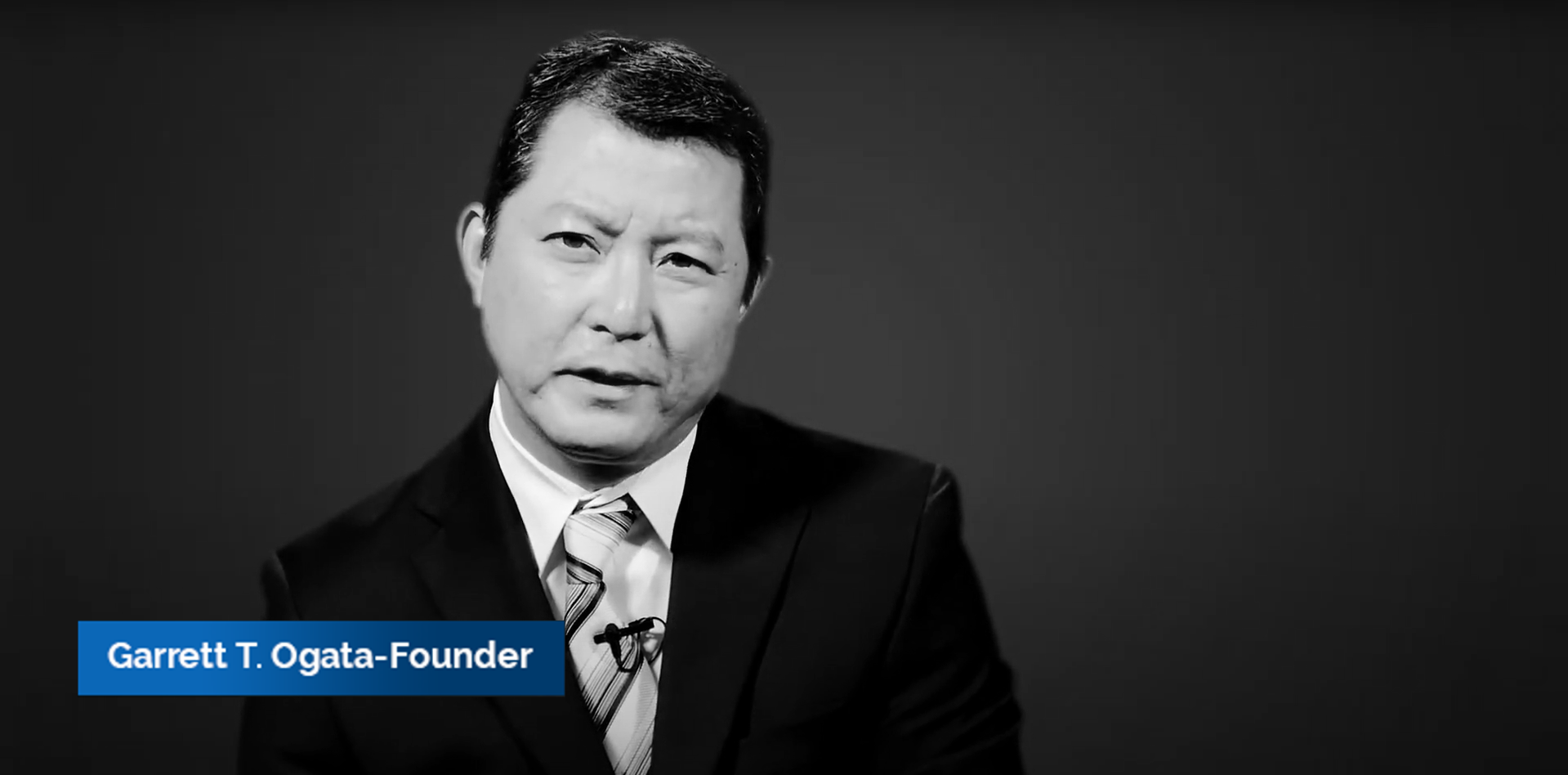




Garrett T. Ogata focuses his practice in DUI defense and criminal defense. He has handled over 2,200 DUI cases alone and over 10,000 criminal claims. With a strong record of getting charges reduced or even dismissed, Garrett can provide excellent representation for your case.
In addition to criminal defense, the Law Offices of Garrett T. Ogata compassionately represent personal injury victims, and fight tirelessly to get them the compensation they deserve.

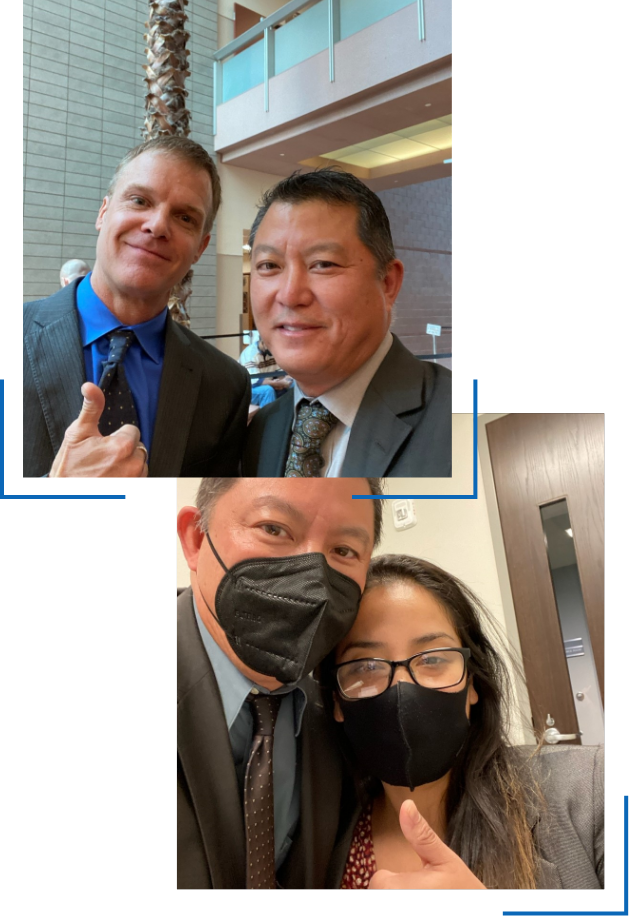
"Mr. Ogata was really awesome and took my situation seriously, walked me through the whole process and told me things would work out not to stress out. Mr. Ogata also worked with me on a convenient payment plan that really helped during these hard times. Mr. Ogata stays in contact with you and reminds you of important dates for your case. Mr. Ogata negotiated a great deal that worked out for me. I really appreciate his hard work and support."
"Very professional, and to the point experience, I am a person that works hard and expect nothing less , so I felt right at home when I hired Garrett and his team of professionals thank you for all of your help."
"Mr. Ogata took care of my case! A FULL DISMISSAL! He and his team were informative, attentive and ultimately got me the best results I could have ever hoped for! Thank you Thank you Thank you! Highly recommended"
"A true professional in the sense of the word! My experience with the office of Garrett T. Ogata was smooth and stress free. I fully recommend his services!"
Garrett made me feel like family. I received a DUI Garrett put my mind at ease. He told me not to worry. He and his staff fought for me. They kept me informed from start to finish. I highly recommend Garrett he will fight for you.
"I highly recommend you hire Garrett Ogata. I was really afraid and worried about my case but Garrett insured me that he had my best interest and would do the best that he could. Which he did! Really appreciate your time, thanks again for representing me. I can now sleep peacefully."
Our goal, as Las Vegas DUI attorneys, is to get all charges dismissed, an acquittal at trial, or charges reduced to a non-DUI level. This isn’t always possible, but your only real chance of success in a Nevada impaired-driving case is to get an experienced DUI attorney. It is very important for you to familiarize yourself with all the issues that arise in a typical DUI case so you can most effectively participate in building your case and make educated choices. You must communicate to your DUI lawyer all the facts of the case to allow him or her to best defend you.

The Law Offices of Garrett T. Ogata focuses on the practice of criminal defense. If you are in trouble with anything from a traffic ticket, DUI offense, prostitution, or even murder, Garrett Ogata can represent you. He is passionate about his clients not going through the legal system without knowing their rights and will sit with you personally for your initial consultation. He will tell you what you need to know about your offense, the law and what actions can be taken. Garrett T. Ogata also practices law in California, Nevada and Utah. Call the office and let Garrett navigate you through the legal process.
In legal matters, timing is everything. When it comes to your defense don't wait until later. To get started now, contact our firm through one of the methods below and request a free consultation.
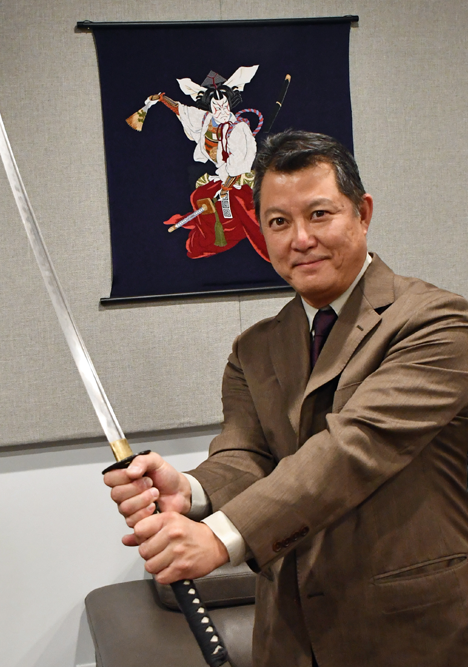
Our Las Vegas criminal defense and personal injury lawyers know what it takes to try cases and win. We have extensive experience and proven case results in our practice areas. Our dedication to our clients is second-to-none, and we will not rest until justice is served.
Attorney Garrett T. Ogata is a member of several state and national legal associations, including:
He has a prestigious 10.0 rating on Avvo and was previously awarded the Client’s Choice Award from the lawyer referral service. He has been practicing for over 20 years and was recently named one of the best attorneys in Las Vegas by the Las Vegas Review-Journal for the 3rd year in a row.




We’re excited to bring you the choice and flexibility this payment option offers and have partnered with Coinbase, a trusted and secure third party payment processor, to make this possible. For more information about this payment option, please call our office for more details.